Back Nine Golf
Episode 64> | <2.24.26
Brian Sheehan: 0:03
A key realization of ours early on, we had a lot of franchisees come in and say, hey, can I open up a backdon with a restaurant inside? And our answer has always been no, that's not our model. It complicates things. Square footage gets bigger. We want to keep a small footprint. And again, we're attracting the avid golfer that wants to improve. Not to say that you can't come there one night and enjoy the games that are on the simulator or the courses that are there or just improve the game there, but that's the business model that we identifi ed early on and tested here locally, and uh it worked. Welcome to Retail Intel, the podcast dedicated to spotlighting the most innovative and rapidly growing brands in the retail sector. I'm your host, Brian Sheehan, and I'm thrilled to guide you through the dynamic world of commercial real estate, where we explore the latest trends, groundbreaking concepts, and the stories behind today's most successful retail businesses. On this episode, I'm excited to welcome Brady Carlsen, co-founder and chief operating offi cer of the Back Nine Golf, a fast-growing indoor golf concept that's redefi ning accessibility and convenience for golfers everywhere. Brady and his team have built a model that combines cutting-edge technology with a unique approach to ownership and customer experience, making golf more fl exible and inclusive than ever before. The Back Nine Golf launched in 2021 and has scaled rapidly, now boasting nearly 80 locations nationwide, and recently celebrated the sale of its 100th franchise. Their concept offers 24/7 access, a BYOB model, and a semi-passive ownership structure. All powered by full swing technology for an authentic golf experience. I'm eager to dive into Brady's journey, the inspiration behind the Back Nine Golf, and how they're shaping the future of golf accessibility. Brady, welcome to Retail Intel. How are you doing?
Brady Carlsen: 2:11
Doing well. Thanks for having me on.
Brian Sheehan: 2:13
Yeah, thanks for joining. And I always like to start with uh background. Can you share about your career journey and what led you to co-found the Back Nine Golf?
Brady Carlsen: 2:23
Yeah, absolutely. Uh my career journey has been somewhat maybe atypical. Never really knew what I wanted to be. You know, I thought I wanted to be a doctor, and so I started going to school to become a doctor, go to medical school. And uh I'd served a two-year mission in Argentina, and so you know, when you're going to medical school, the degree doesn't really matter. And so I actually got a Spanish degree with a pre-med emphasis. And once I graduated, all through college, I started my own window washing company. I had an experience early on in my career where I was going to school, needed a job, and had no idea what I wanted to do. I ended up getting a job at Golden Corral. And I was working, you know, you're making $2 an hour plus tips, and I wasn't making any tips. I was terrible at the job, probably. I don't know. The only tip that I remember that I got was somebody had left and they'd left a piece of paper on the table that said, Here's your tip: don't eat yellow snow. And that was my clue. I was not gonna be doing that much longer. So I quickly quit that and uh went to Home Depot with a friend and bought some squeegees, and then we started knocking doors and started our own window washing company. And we thought we were just you know in heaven because we were making you know $15, $20 an hour at the time, and uh it was just you know fun because it was our business, and so that's kind of where my fi rst entrepreneurial journey started, and you know, I haven't looked back since. I've started other companies that haven't been successful, and you know, it was just a fun learning experience. I loved the challenge. Fast forwarding a few years, I moved to St. George, and at the time I was working in the senior care industry, and it wasn't as sexy as I wanted it to be. You know, I just wasn't happy, and so I knew I needed a career change, so I jumped into another type of franchise business called Weather Skin. It was out of Canada and bought the territory rights for southern Utah and knew nothing about construction. Went to the local home builders association here and got my construction management license, my contractor's license, and just started again knocking doors, trying to fi gure it out on my own. A couple years into it, I decided, hey, this isn't for me. So I sold the business. And right at that time, I had a neighbor approach me and say, Hey, I've got this membership over the Back Nine. Do you want to come hang out with us? And so 10 o'clock at night, a group of guys went over the Back Nine, walked in, and man, this is cool. You know, we're just golfi ng. And at the time I was I was golfi ng maybe three or four times a year for work, and I left, and and then a couple weeks later, that same individual that invited me over said, Hey, did you know that this is for sale? Are you interested in buying it? And so that's you know, my desire to kind of do my own thing. That entrepreneur and me kicked in there and uh started evaluating the business. It was pretty much breaking even at the time, but it was so cool to me that you didn't need any employees, that I could still do my full-time job and do it. I called friends and family, and every one of them said, it's a fl awed business model, don't do it, except for one, Tyler Bingham. He was a coworker of mine at the time and you know, a young kid just looking to do his own thing as well. And we jumped in with both feet and just started learning the business quickly. Um, I was the only one here with boots on the ground. So I was going over the facility every day, managing it. And after a couple months of putting our own money in, we turned it around and it just started taking off the concept. You know, it was fairly new at the time. As you can imagine, indoor golf, people, you know, what is golf simulation? And that was kind of my experience with it. I walked in and I didn't know what a you know simulator was, other than maybe used when you go get a golf fi tting. And so from there we just it was just all fun from there because it was golf, it was fairly low risk because we still had our full-time jobs and uh we were making money on this side gig type thing, and so that's kind of my background and journey into the Back Nine Golf. It was fun.
Brian Sheehan: 6:29
That's so incredible. I mean, I had my fi rst indoor golf experience this year, and a couple things that really stood out. One, just you know, how fun it is, two, how realistic I felt like the experience was compared to you know outdoor golf on a course. And I'm noticing, you know, there's a lot of competition in this space now, or at least there's like growing competition in the space. So what are some of the things you mentioned? You know, it's a kind of a passive, uh semi-passive type of business, but what are some of the things that make the Back Nine Golf stand out in this space?
Brady Carlsen: 7:07
Yeah, initially early on, we were selling this as a semi-passive business because that's how we were running it. I had a full-time job and I was doing it on the side. We've since kind of tempered that down a little bit because we realize if you want to make this your full-time job, you've got to be there. It can be a side gig. Some people want it, that's what they want. We want them to be their full-time gig, and you can run it without employees if you if you can give it some attention. So that's really what we want to do. But you know, the thing that that kind of makes this work is low overhead. You know, rent is kind of the biggest overhead. You don't have to have employees, you're not managing food and beverage, you're not running a restaurant essentially. It's just golf and it's very simple. Keep it simple, and that's kind of what we started with early on. It was we had door codes and it complicated things because when somebody would sign up for a membership or book a tee time, we've got to get them into the facility. We solved that problem, made it automated to where we could get them in, they could get themselves in. And that was a huge win for us just as we continue to simplify. You know, another thing that we did early on is said we've got to have our own website. And so we went to work right away developing our own website so that we could customize it and just make it our own, you know, have the features that we wanted in there that we know that gives us a competitive advantage over other people in the market.
Brian Sheehan: 8:36
You mentioned there's no food and beverage program, right? Yeah. Talk about that. That seems like a big part of you know a revenue driver for this type of use. So I'm curious kind of why you went that direction and why it really works well for the Back Nine Golf.
Brady Carlsen: 8:52
Yeah, we just felt like it added another piece of complexity to the business model that we didn't want to deal with. So we let people bring in their own food and beverage, which for them, you know, they like because they can select, you know, what they want to come in, eat with. But our target audience isn't somebody that's looking to come and have a good night, like you know, fun time at a one night during the month. It's the avid golfer or the golfer that wants to improve their game. And they're gonna come twice, three times a week. And you know, we've got snacks there, that's that's all they want. They don't want to go eat and practice at the same place. And so that was a key realization of ours early on. You know, we we had a lot of franchisees come in and say, Hey, can I open up a backdry with a restaurant inside? And our our answer has always been no, that's not our model. Um, it it complicates things, it square footage gets bigger. We want to keep a small footprint, and again, we're attracting the avid golfer that wants to improve. Not to say that you can't come there one night and enjoy the games that are on the simulator or the courses that are there, or just you know, improve improve your game there, but that's that's the business model that we identifi ed early on and tested here locally, and uh it worked, so that's what we stuck with.
Brian Sheehan: 10:10
I'm curious about the technology behind the indoor golf experience. Uh, and you guys are using full swing, is that correct
Brady Carlsen: 10:21
That is correct, yeah. We use full swing.
Brian Sheehan: 10:23
What was it that you liked about full swing? Why it can you talk generally, kind of at a high level, of like what's going on in the indoor golf space, and then how and why you like full swing for the Back Nine Golf?
Brady Carlsen: 10:38
Yeah, inside the golf space, golf in general is just growing. The audience is getting bigger, and golf courses take up a lot of real estate, and they're just because of the popularity as well, it's getting harder to get on a course during peak seasons or during winter seasons, they're shut down and you can't golf year-round. And so the simulator, you know, experience came in and people are understanding that simulator, you know, what it what it's like and how realistic it is, and how their game can improve, which translates to having more fun outdoors on the course. And our members would rather golf outside than indoors, most of them. I'm probably the exception to that. I enjoy golfi ng indoors just because I can see my numbers, and um, but the the simulator space is growing. I think it's giving more people access to golf in general. You know, a lot of females come in, they say, Look, this gives me a private area. I'm not out on a course, I don't have somebody watching me on the T-Box. I can practice and get better and go out and golf outdoors and enjoy it more. And with the technology, you know, early on it was educating people on the experience. They didn't know, you know, we'd have people walk in our space and be like, what is this place? You know, I don't know if they were expecting you to wear goggles and they just didn't know what the the simulator experience was like. So once you try it out, it's it's kind of addicting. And it you know allows people to golf 24-7. That's the other thing. I can come at night, um, I can come in the morning. And the big thing for me was a time saver. I don't have to spend four hours on a Saturday golfi ng 18 holes. I can go get my 18 in in an hour after the gym and go home and still have all day to do everything. But I I think for me, once I understood the numbers and what they meant, I could start improving my game. And that game improvement has now made me a more avid golfer. And I think that's that's the big thing that we're seeing in the industry with full swing. Um, it's so realistic where you know, when you hit the ball, the ball hits the screen and takes off into the virtual world, just like you were playing outdoors, and then the data that's the accuracy of the data that's there just helps you understand the game so much more. And then, you know, that you you see full swing involved with the Tomorrow Golf League, the TGL, you know, you've got professional golfers out there that launched last year. You know, I went three or four times, and it was just an environment that people love. Golfers want it. Uh, you know, when you're heckling somebody on the on the putting green, that you just you don't see that out on a tour. Everybody's quiet and it's a different environment. I think the golfers want it, the fans want it, and then just being in a stadium setting is pretty cool. So I think all that together helps elevate the indoor golf experience.
Brian Sheehan: 13:29
I've heard that's a real driver for the growth in golf. What's some other factors that are driving? I mean, is it this still a function of COVID and you know how many people got interested and exposed to the game during COVID? Is there something else that's driving the growth in the golf industry, playing golf generally?
Brady Carlsen: 13:48
Yeah, I that's a great question. I think the view of golf maybe 10 or 15 years ago was it's something. I don't know, the view I had was it's something you do if you can't make the football or basketball or baseball team, you you golf. Um that's changing now. You know, you see a lot of people that want to be on the golf team, and I think a lot of that potentially could be that it's a lifetime sport. You know, you you could play it your whole life. Um, the other thing, you know, there might be some COVID uh functionality to it because a lot more people got out on the golf course because it was outdoors and they could space the tee times far enough apart. I think access to golf now is is greater with you know you've got big shots giving people exposure to it, uh top golf giving people exposure to it that maybe have never golfed before, but they go try it out. The other thing, you know, that I think is helping is just the players right now. You know, Tiger Woods I think had a big infl uence. People people know who Tiger Woods is, and you've got Scotty Scheffl er now, and you've got some of those big players that it's cool to be a golfer now, and they want to be they they want to golf and um you can make a lot of money, you know, if you're good. So I think that helps.
Brian Sheehan: 15:08
And to your point earlier about the data, I mean, I'm remembering the fi rst time I played indoor golf, I was really surprised, some ways, a little overwhelmed with how much information was available there on the screen. And it took a while. I mean, we played a couple rounds before I really started to fi gure out what I was looking at and be able to apply the data kind of to my session. And over time, I just feel like it's helped me just become more knowledgeable about my game, my swing, what I should be doing. And there's something about how like the growth in data analytics, I think, is maybe driving interest in the indoor golf experience. So do you feel like there is some kind of data analytic wave that's behind that? People are more knowledgeable about their game, they spend more time on YouTube watching videos to understand how to improve their game and like what metrics to look for. Absolutely.
Brady Carlsen: 16:09
Yeah, social media infl uencers are, you know, are defi nitely infl uencing the game of golf. Got good, good out there that you know, Grant Horvat, that people are watching, and it's like, okay, they're getting exposure to it, they're understanding some of that data that's in the simulator bays. That was my experience as well. It was cool, and then once I started learning what the data meant and what to look for, and if I made a tweak, how that affected that data that I was seeing on the screen, that's when I became a more avid golfer because I saw my game improving. And I think a lot of people are they're experiencing that they've got access to all these YouTube videos that are free coaching videos. You know, I'm I'm one of those guys that watches them. And uh I think that helps uh just having it at your fi ngertips.
Brian Sheehan: 16:59
I yeah, I gotta just point out quickly, I love your shirt. I'm noticing is that Spanish Bay? That is, yeah. I was fortunate to play there myself this year, early in the year, and it did not play particularly well, but I had an incredible time. And I'm thinking about the incredible retail environment and component that they have. And it makes me want to ask you about how you think about retail, because when you think about the golf, like the traditional golf experience, you know, there's a pro shop with the check-in, and um they've always got a pretty robust retail kind of store program. And I'm thinking that's a big part of the driver. How you know, how do you think about that kind of in relationship to the back nine golf and as a revenue driver, are there certain things that you guys do sell that you can sell, or is there things that you want to sell more of uh beyond the time you know that it takes uh to book a session at the Back Nine?
Brady Carlsen: 18:02
Yeah. I mean, you go to a golf course like Pebble Beach or Spanish Bay, and you you know, you you're spending a good amount of money to be there, and you might not come back for a while or or ever. And so you want to take home that shirt that shows that you've been there, and and we want that experience in the Back Nine as well. Our fi rst base foundation is memberships. We we have memberships, but with those memberships, we have some opportunities there to bring retail into each back nine location. And it's funny you mentioned that because right now we're beta testing a pro shop store model inside of our facilities. Now, you can imagine the diffi culty that brings when we don't have a full-time employee down there helping people check out, so we've got to create that checkout experience and make it very smooth. Hotworks, um, I don't know if you're familiar with the Hotworks franchise, but they do this inside their stores, and so we're you know, we've looked at that and we're testing it here at our HQ locations. We've just rolled out an online store for our franchisees and our members. Um, we can provide some additional discounts there that a membership model will allow because we're not exposing that to the public, and that's just an added value to our members. They can buy the the Travis Matthew, you know, the brands that we have partnerships with at a discount. And uh, you know, we're trying to bring that experience inside the store. So when they walk in, they want to take a hat home, they can. They can go scan a QR code, buy the hat, and walk out the door with it without having to you know talk to anybody. And and so that's you know, another revenue stream that we're looking at for our franchisees in addition to coaching and club fi ttings and all that.
Brian Sheehan: 19:48
Can you talk about uh AUVs for a Back Nine? What's typical?
Brady Carlsen: 19:53
Yeah, you know, our standard base size is three bays. So you're looking at about thirty thousand dollars a month, so you know, three hundred and sixty to four hundred thousand dollars AUV, and and uh, you know, some are doing better than that, some you know, some have more bays, some have four or fi ve bays, but that's kind of where you know where they're at in that arena. And what's the typical size? The square footage size, you're probably right around 2,500 square feet for a three-bay facility. Okay. Uh, we started with a two-bay facility, it was 1,700 square feet, a little tight. Now, you know, 2,500 to 3,500 is kind of the sweet spot where you can do three to four bays or have a putting green and a conference room or a putting green, you know, and maybe a kid zone that they can bring their kids and they can watch a movie or play a video game while you're golfi ng.
Brian Sheehan: 20:48
And I've seen back nines and others in every type of setting: freestanding, end cap, inline space. Do you have a preference? Do you play a kind of real hands-on role with franchisee from a real estate perspective?
Brady Carlsen: 21:04
You know, that's been something that we've tried to identify. Usually it's Class B retail, high foot traffi c. We've seen the franchisees that have been successful on you know high traffi c uh roads, um, easy to get to, close to the residential area. You know, we've had some that have gone kind of a warehouse space and it's just tucked back far enough away, hard enough to get to that we don't recommend that. We started our store in a class B retail, kind of set back off the road, hard to see, but it was right next to a golf store, the the only pure golf store in town. And so we got golfers walking by all day. They knew where the golf store was. We could say it's right next to, and they would, you know, oh yeah, I know where it is, I'll be there. So that helps, you know, having those co tenants that will share your target audience because you're getting those eyes on your space and Our doors are locked 24-7 unless there's an owner there that unlocks the door. And so that creates its own problem. You know, if somebody doesn't understand what the concept is and they're tugging on the doors, and it's like, well, this is closed. What is this? So we want to make sure that you know we're marketing correctly so they understand, hey, I need to book a demo so so somebody can be there to show me how this works.
Brian Sheehan: 22:24
And are there specifi c demographics you're looking for? What's the obviously golfers, I guess, but you know, target markets. How do you how do you know you found the right trade area?
Brady Carlsen: 22:35
Yeah, we've got three or four different uh profi les that we're looking at. Uh our typical market is 25 to 55 avid golfer, typically, people that have their own clubs, they're golfi ng two or three times a week. Uh, male is, you know, mainly male, uh, but the female market is growing, and that's we've got you know a handful of female franchisees that are helping grow that market and uh pushing that in tournaments and leagues, and so that's kind of the persona that we're we're targeting there as you know, avid golfer.
Brian Sheehan: 23:11
That's great. Maybe the last question, Brady, you talked about innovation, some of the things that you're testing you know with a Back Nine Golf. You think about the future three to fi ve years from now, where do you want to see the Back Nine Golf? And what do you see for this market kind of broader in terms of indoor golf?
Brady Carlsen: 23:30
Yeah, I I feel like we're just on the tip of the iceberg with the indoor golf. You know, there's so much innovation coming out now. We just launched uh Skill Strike, and uh it's on all of Back Nine B simulators, it's skill-based wagering. So I can come into a Back Nine and I can say, I put $50 down and it puts a hole out at 100 yards with a bullseye. If I get it in a certain ring, it gives me a certain amount of money, and that distance is constantly moving. So, based on my skill, the target will widen or shrink, and so I can, you know, I can win money inside the back nine in most states. So it's it's not gambling, it's skill-based wagering, it's fun, it creates and a different you know option that that maybe wasn't there before. And so there's a lot of that technology coming out. We see club fi ttings now where you can get a club fi tting with AI, and you you know, don't have to interact with an instructor. And that's you know, that could be where it's going, where somebody could walk into a Back Nine and say, I want to test out a new driver today. And they go, We've had the driver there and they test it out, and I want to buy it, and they walk out the door with it without talking to an instructor, or hey, I want some some feedback on my swing, and it's analyzing their swing based on you know cameras in the bay and comparing it to the swing analysis of thousands of other golfers through AI and saying, here's some recommendations on what you can work on, here's some drills you can work on. I think you know, coaching, if you go get coaching, you're paying $100 an hour to you know a good coach, maybe a couple hundred bucks an hour. And now we can bring coaching into the back nine, maybe lower that barrier to entry for a new golfer and say it's only gonna be $25 an hour to get coaching here at the back nine or a club fi tting at the back nine, just because of AI and the capabilities that are there. I mean, there's a lot, a lot of technology coming out. The simulator experience is gonna get better. We're working directly with full swing. That's one of the reasons why we've partnered with them is we meet with them regularly and they listen. Hey, what what is it that the golfer wants? Well, here's some things that you can do with your software. And so they go back and they do it and and roll it out. It's it's exciting, it's fun. There's a lot that you'll see tech-wise come out and innovation-wise in the near future.
Brian Sheehan: 25:58
Oh, that's incredible. The skill-based kind of gaming inside, the swing analysis. That's really exciting. Brady, it's been a pleasure speaking with you today. Thank you for joining me on Retail Intel. Be sure to check out the Back Nine Golf online at www.thebackninegolf.com and follow them on Instagram at theBacknineGolf. Thank you, Brian. It's been a pleasure. Likewise. Whether you're an aspiring real estate mogul, a seasoned pro, or simply curious about the places where we shop, dine, play, and work, this podcast is your all-access path to the world of commercial real estate. Connect with me on LinkedIn. And if you're interested in being a part of the Retail Intel podcast, send a message to nationalaccounts at philipsedon.com. If you want to hear more about new and expanding brands, keep tuning in to Retail Intel. And please subscribe, follow, like, and repost. Talk to you next time.
 Spotify
 Apple Podcast
.png)
About this episode:
On this episode of Retail Intel, host Brian Sheehan sits down with Brady Carlsen, co-founder and COO of The Back Nine Golf, a fast-growing indoor golf concept redefining how and where people play the game. They explore how The Back Nine Golf’s 24/7, technology-driven, BYOB model has scaled rapidly through franchising while keeping operations simple and flexible for owners. Brady shares insights on the rise of indoor golf, the role of data and AI in player development, and what the future holds for innovation in this evolving category.
Key Insights
01.
A Simple Model That Scales
The Back Nine Golf succeeds by keeping its concept intentionally simple: small footprints, no food and beverage operations, and low overhead. This focus allows franchisees to scale efficiently while delivering a consistent, high‑quality experience.
02.
Golf Anytime, for Anyone
With 24/7 access and Full Swing simulator technology, The Back Nine removes traditional barriers to the game. Golfers can practice, play, and improve on their own schedule—making the sport more accessible, flexible, and inclusive.
03.
Data‑Driven Game Improvement
Advanced swing data, analytics, and AI are transforming how golfers learn and improve. Indoor golf gives players immediate feedback, helping them understand their game faster and translate progress directly to the course.
04.
The Future of Indoor Golf Innovation
From skill‑based games to AI‑powered coaching and club fittings, The Back Nine Golf is pushing the boundaries of what indoor golf can be. Ongoing innovation is lowering the barrier to entry while expanding revenue opportunities for both players and owners.
Podcast Guests
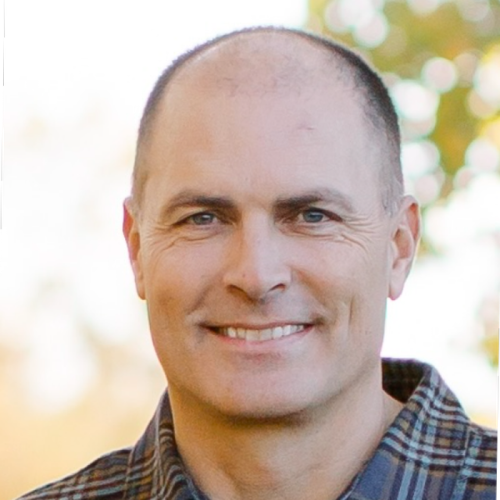
Brady Carlsen is the Co‑Founder and Chief Operating Officer of The Back Nine Golf, one of the fastest‑growing indoor golf franchises in the U.S. He brings a strong operations and franchising background, helping scale a simple, technology‑driven model that delivers 24/7 access and a modern golf experience. Brady is passionate about innovation, accessibility, and building businesses that blend community with smart, efficient growth.
Podcast Host
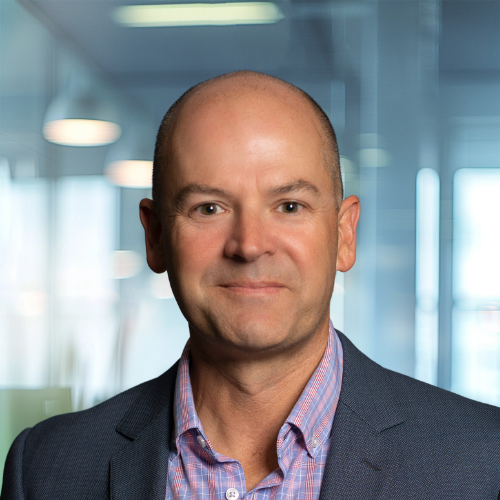
Brian Sheehan is the Director of National Accounts at PECO, where he leverages his extensive experience in leasing and grocery-anchored commercial spaces to stay ahead of emerging trends. As a true supporter and ambassador for retail and small business owners, Brian is dedicated to helping them find the best locations to grow their businesses. His deep understanding of market dynamics and commitment to fostering strong retailer relationships make him a valuable asset to the industry. Brian's passion for innovative retail strategies and his focus on community-centric developments drive his efforts to support and empower small business owners across the nation.
Related Items
Being “locally smart™” with PECO’s Grocery- Anchored Shopping Centers
In the fast-paced world of retail, where competition is strong and customer preferences change quick...
5 Expert Tips to Elevate Your Small Business Marketing
Phillips Edison is a proud partner with the SCORE Foundation to provide our Neighbors with free acce...
CRE Trends 2024
As part of PECO's National Accounts Team, I always try to stay at the forefront of what’s happening ...
Feature In A Podcast
Enter your email or phone number if you're interested in featuring in a Retail Intel podcast.